What it is
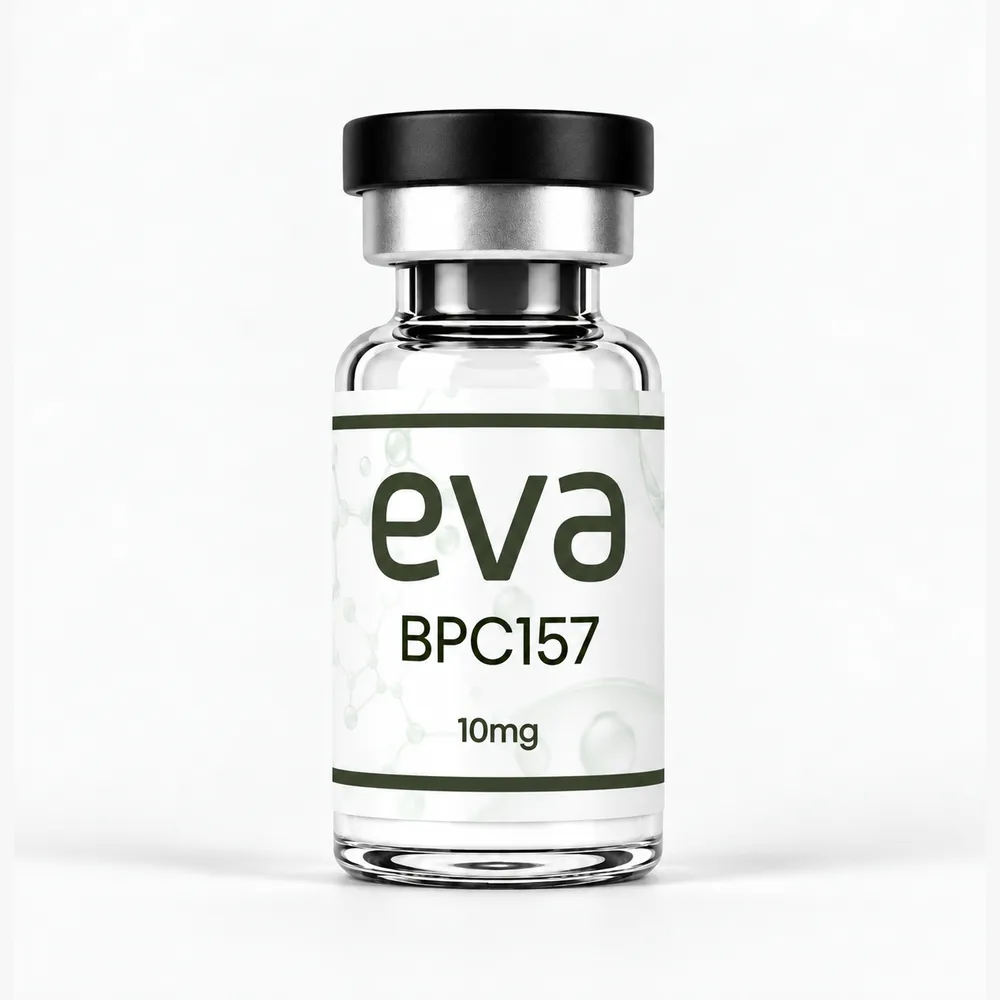
BPC-157 (Body Protection Compound-157) is a stable synthetic pentadecapeptide, 15 amino acids long, derived from a protein present in human gastric juice. It is one of the most extensively researched regenerative peptides in preclinical models.
Mechanism
Several interlinked pathways are described: promotion of angiogenesis via VEGF / VEGFR2 signalling, modulation of the nitric-oxide system, upregulation of growth-factor receptors in fibroblasts and tenocytes, and reduction of pro-inflammatory cytokines (TNF-α, IL-6). Unlike most peptides it is stable in gastric acid, which is why it has also been studied orally in animal models.
Research areas
- Tendon, ligament and muscle injury models
- Gastrointestinal protection (ulcer, fistula, IBD models)
- Wound healing and bone repair
- Vascular and nitric-oxide biology
- Neuroprotection (dopaminergic and serotonergic systems)
Safety and metabolism
Preclinical studies report good tolerability with no organ toxicity at high doses in rodent models. Human data are limited to small studies and case reports; there are no large randomised trials. Plasma half-life is short, with hepatic metabolism and renal elimination.
Why this amount
10 mg is the standard research vial and covers a typical multi-week series from a single reconstitution.