What it is
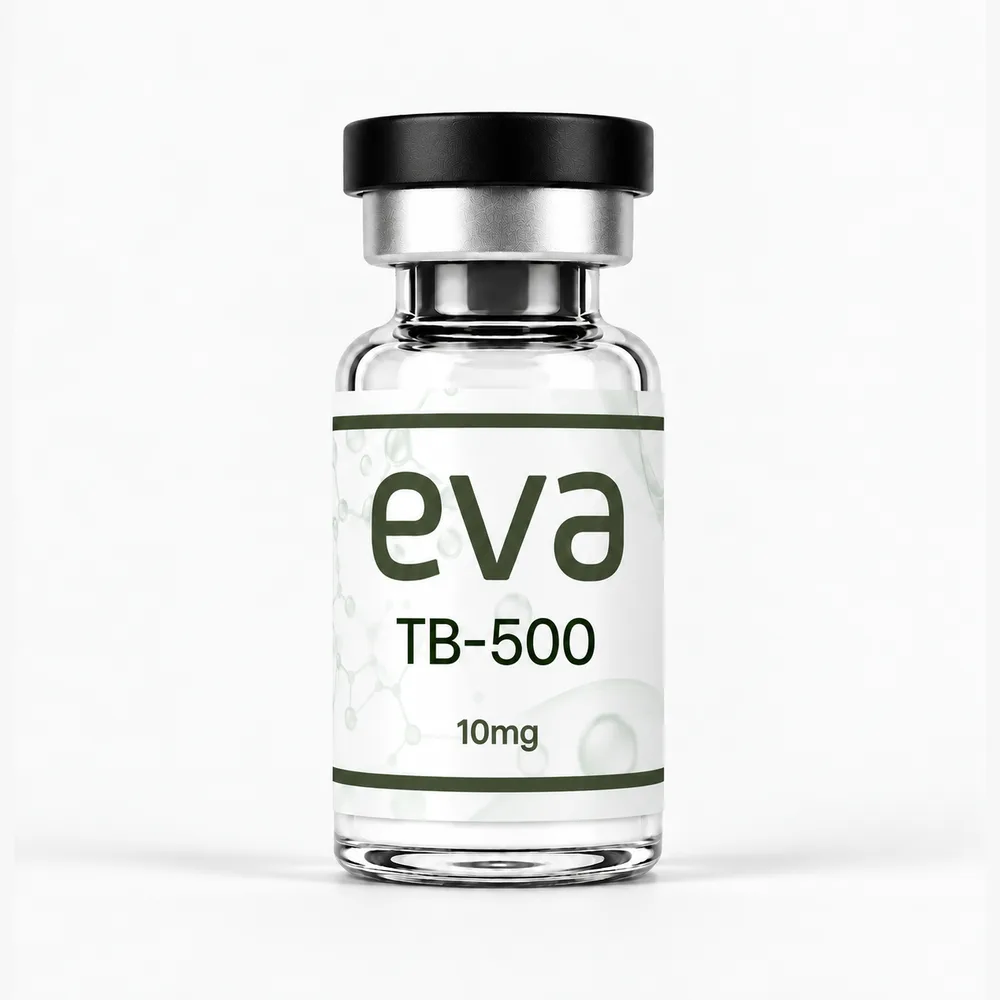
TB-500 is the synthetic form of thymosin beta-4, a 43-amino-acid peptide present in almost all human cells and in high concentration in wound fluid and platelets. It is the principal actin-sequestering protein in the cytoplasm.
Mechanism
By binding monomeric G-actin, thymosin beta-4 regulates actin polymerisation and therefore cell migration, which is central to tissue repair. In models it promotes keratinocyte and endothelial cell migration, angiogenesis, and reduces inflammation and fibrosis. The active region is the actin-binding motif LKKTETQ.
Research areas
- Muscle, tendon and ligament repair
- Cardiac tissue after ischaemia (animal models)
- Corneal and dermal wound healing
- Anti-fibrotic and anti-inflammatory pathways
- Hair growth models
Safety and metabolism
Thymosin beta-4 is endogenous; preclinical and early clinical studies (topical, cardiac) report good tolerability. Human systemic data remain limited. Frequently studied together with BPC-157.
Why this amount
10 mg is the standard research amount, sufficient for a full loading and maintenance series.