
What it is
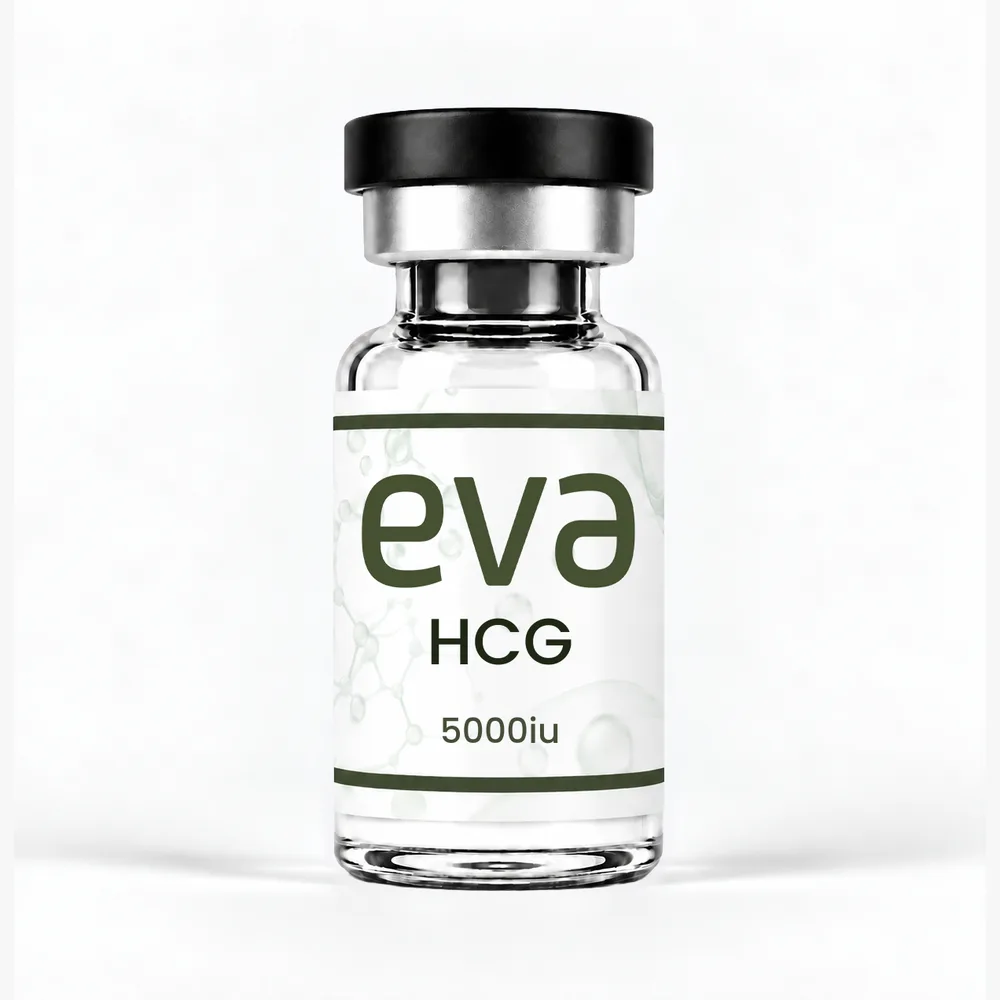
Human chorionic gonadotropin is a glycoprotein hormone produced in pregnancy. Its β-subunit is structurally close to luteinising hormone (LH), which is why it activates the same receptor. Quantity is expressed in IU.
Mechanism
hCG binds the LH/CG receptor. In the testis this stimulates Leydig cells (testosterone synthesis); in the ovary it triggers ovulation and supports the corpus luteum. Because its half-life is much longer than LH, a single administration produces a sustained receptor signal.
Research areas
- LH-receptor pharmacology
- Gonadal function and steroidogenesis
- Reproductive endocrinology
- Hypogonadism models
- Assisted-reproduction protocols (clinical)
Safety and metabolism
Long-established clinical product. Half-life ≈ 24–36 h; renal elimination. Reconstituted solution is stable for a limited period only.
Why this amount
5000 IU is the standard vial size in both clinical and research use.